If you’ve been doing landscape work, running a weed eater, trimming hedges, or pushing outdoor equipment and now you’re feeling neck pain, upper trap tightness, or even sharp pain that travels into your arm, you’re not alone. As an Olathe chiropractor, I see this pattern every week—patients come in after yard work with stiffness, headaches, shoulder tension, and sometimes numbness or tingling that wasn’t there before. These symptoms happen because landscaping postures and equipment stress the cervical spine more than most people realize. Landscape-related neck pain occurs when forward head posture, repetitive vibration, and uneven loading place excess strain on the cervical joints, discs, nerves, and muscles, leading to inflammation, joint irritation, and sometimes cervical radiculopathy.
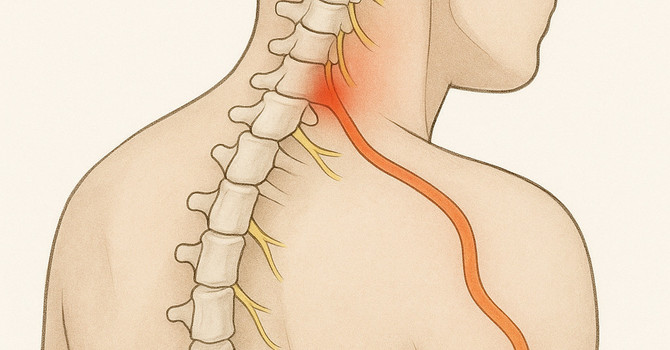
Why this problem happens: Long periods of looking down, gripping vibrating tools, and carrying weight on one side overload the neck and upper back. These postural stresses fatigue the cervical stabilizers, tighten the upper trapezius and levator scapulae, irritate the facet joints, and increase compressive pressure on the cervical discs. If a disc begins to bulge, it can crowd the nerve root and create radicular symptoms such as pain into the shoulder, forearm, or hand.
When you hold a weed eater or blower for long periods, the forward head posture increases strain on the cervical spine, often exceeding what the muscles are designed to support. Vibration from trimmers and edgers irritates the nerves and soft tissues of the upper trapezius and cervical spine. Unilateral loading—holding tools on one side—creates asymmetrical fatigue, overworking one shoulder and upper trap while compressing the joints on that side. Over time, this leads to inflammation, tightness, and sometimes a cervical disc bulge that can produce radiating arm pain.
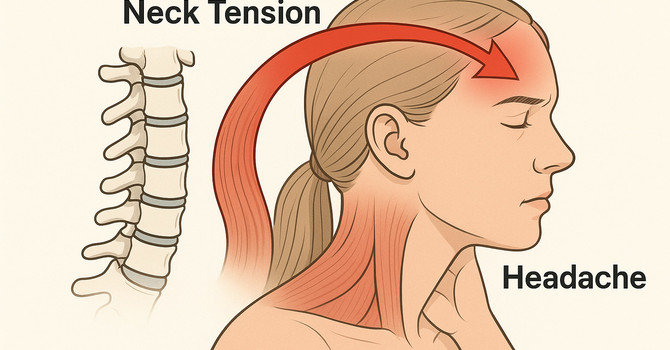
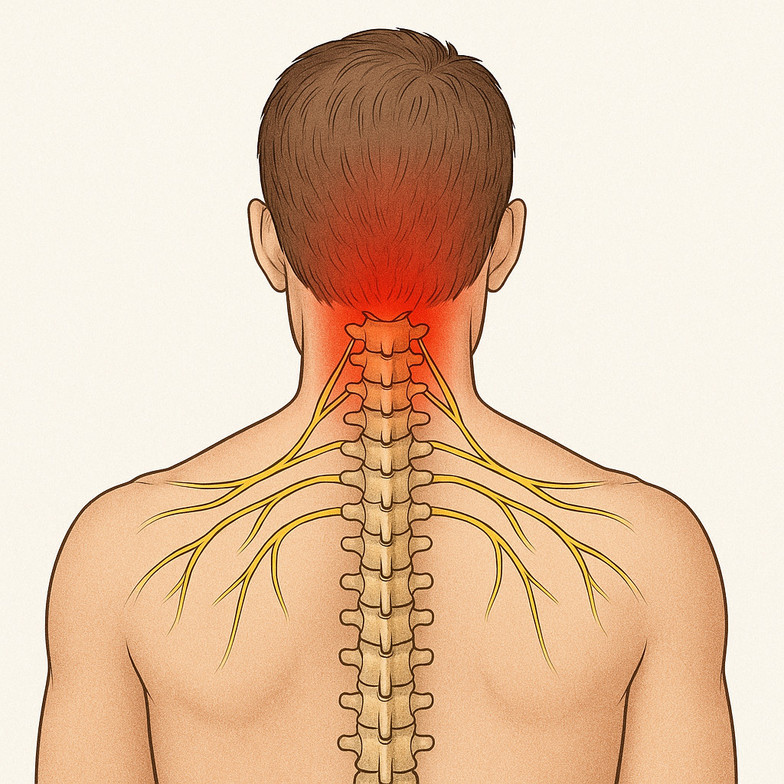
Common symptoms patients notice include dull or sharp neck pain after yard work, tightness in the upper traps or shoulder blade region, headaches that start at the base of the skull, pain when turning the head, numbness or tingling into the shoulder or arm, pain between the shoulder blades, weakness in grip strength after long yard work sessions, stiffness when looking up or over the shoulder, and sharp, pinpoint pain that worsens after holding tools for long periods.
Clinical patterns I see in the office include pain that increases after holding a weed eater for more than 15–20 minutes, neck pain that is worse the next morning, headaches that begin in the neck after mowing, pain that eases after moving or stretching, arm pain that worsens with head turning or looking down, and mid-back tightness from bracing or gripping vibrating tools. Some patients report radicular symptoms—tingling, numbness, or electrical pain—after raking, trimming, or edging for extended periods.
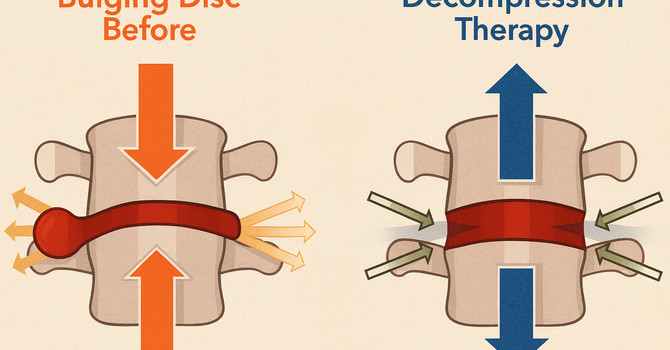
How chiropractic helps: Chiropractic adjustments restore proper motion in the cervical and upper thoracic joints that stiffen under repetitive posture and vibration. This improves biomechanics, reduces muscular guarding, and decreases pressure on irritated nerves. Non-invasive spinal decompression therapy gently unloads the cervical discs and nerve roots, reducing inflammation and helping disc bulges retract. Our Hydromassage Therapy calms irritated muscles and improves circulation. Targeted strengthening and stretching through our Exercise & Stretch Routine restores stability to the neck and upper back so you can tolerate yard work without flare-ups. Many patients dealing with landscape-related neck pain also benefit from reviewing posture and ergonomics as part of their Chiropractic Care plan.
Our treatment approach at Woodroof Chiropractic includes:
Chiropractic adjustments to restore joint motion and relieve mechanical stress; spinal and vertebral decompression for disc irritation and nerve compression; hydromassage to relax tight muscles; targeted strengthening for deep cervical stabilizers; stretching routines to improve mobility; corrective exercises for posture and endurance; and sleep/posture coaching to reduce nighttime irritation. Most patients begin noticing improvement within the first few visits. For patients using insurance, visit our Insurance page to verify coverage. You may also find helpful information on related conditions on our Neck Pain and Headache treatment pages throughout our site.
Frequently asked questions include:
• Why does my neck hurt more after mowing or weed eating? Because prolonged looking-down postures and vibration fatigue the deep stabilizers and overload joints and discs.
• Should I see a chiropractor for this? Yes—chiropractic care and decompression address the mechanical causes rather than simply masking pain.
• When is it serious? If you notice numbness, tingling, or weakness into the arm, it may indicate cervical nerve irritation that needs prompt evaluation.
• How long until I feel better? Most patients improve within a few visits, depending on disc involvement and inflammation.
• Can this lead to a chronic condition? Yes, if unmanaged, repetitive yard-work stress can progress to chronic cervical disc or facet joint irritation.
If you’re dealing with neck pain, upper trap tightness, or radiating arm pain after landscaping or weed eating, we can help. Call our Olathe chiropractic office today at 913-735-6351 or click Schedule Your Visit to get started.
Dr. Ike Woodroof
Contact Me