Cheerleading is an incredible sport, but it places intense stress on the spine, joints, and supporting muscles. If you’re a cheerleader—or the parent of one—and you’ve noticed neck pain, mid-back tightness, or lower back pain after stunts or tumbling, you’re not alone. As a chiropractor in Olathe who treats athletes every day, I see this pattern often, and early treatment can make a dramatic difference in recovery, performance, and long-term spine health.
Cheerleaders often develop back and neck pain because repeated hyperflexion and hyperextension movements place excessive stress on the vertebrae, discs, and surrounding soft tissues. Sudden impacts, awkward landings, and overuse also increase the risk of joint irritation, muscle spasms, and disc-related pain.
Why This Problem Happens
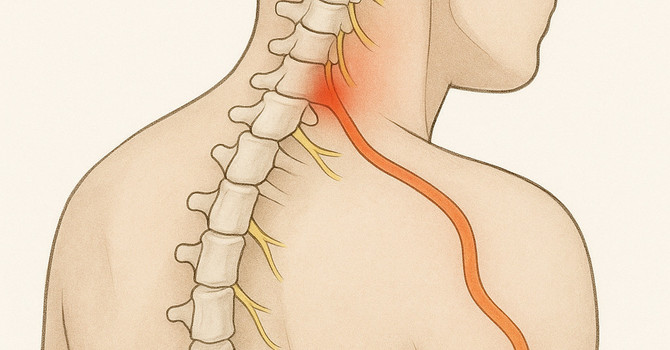
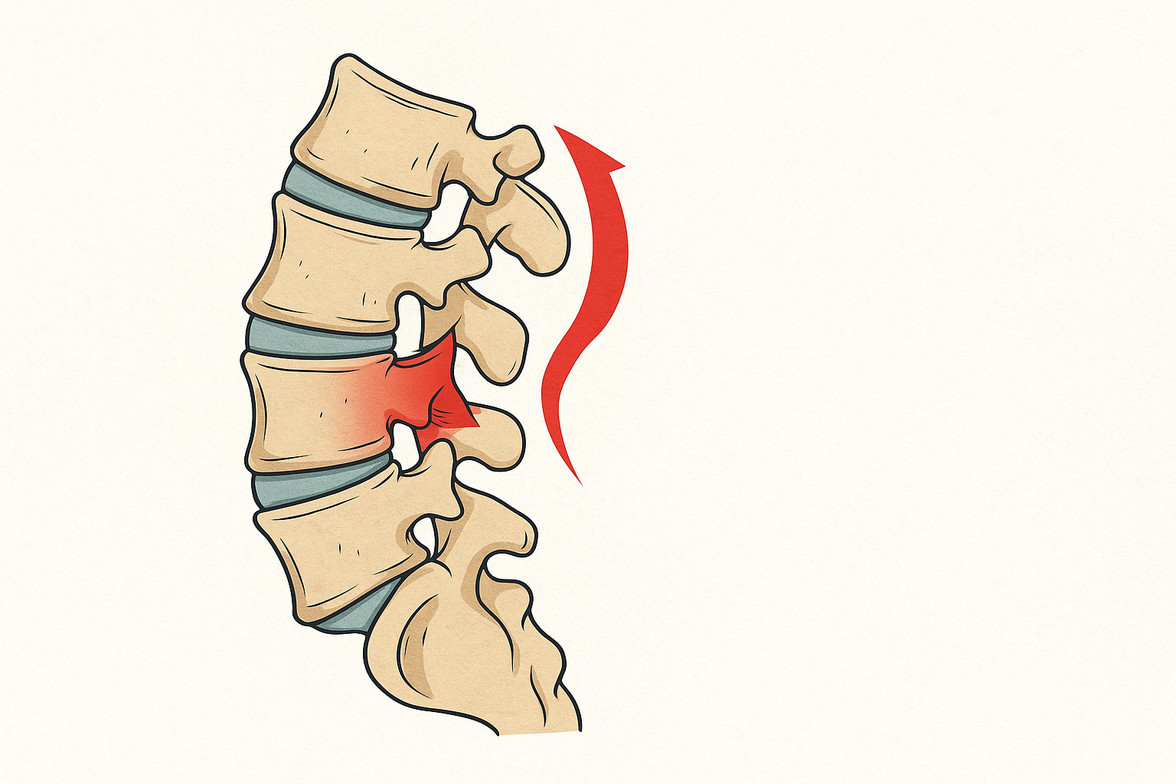
Cheerleading requires movements far beyond normal daily ranges—deep backbends, fast tumbling passes, lifts, and dynamic rotations. These motions put stress on spinal joints, which can become restricted and inflamed. The lumbar discs can become irritated during repeated extension and compression, especially when catching teammates or landing short on a tumbling pass. The neck is also vulnerable; spotting during stunts or absorbing impact from falls can irritate the facet joints and supporting muscles. Repeated stress to the mid-back during twisting stunts can tighten rib joints and irritate intercostal muscles. These mechanical issues can also affect nerve pathways, leading to radiating pain or muscle weakness. Behaviors like poor warm-ups, practicing on hard surfaces, and fatigue further increase injury risk.
Common Symptoms Patients Notice
Cheerleaders often describe:
• Sharp low back pain after back walkovers or back handsprings
• Tight mid-back or rib pain during twisting or tumbling
• Neck pain from spotting or catching teammates
• Pain that increases with extension or arching
• Muscle spasms after repeated stunts
• Radiating pain into the legs or arms during bad flare-ups
• Difficulty bending or rotating after long practices
• Pain that improves with movement but worsens after sitting
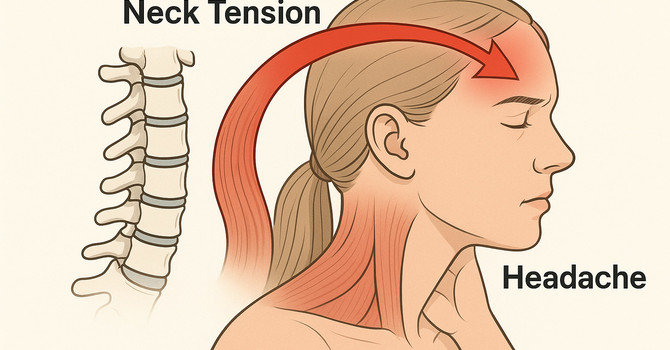
• Headaches that start at the base of the neck
• Feeling “pinched,” “locked up,” or “stuck” in certain positions
Clinical Patterns I See in the Office
Cheerleaders commonly report pain after long practices, especially with repetitive tumbling or stunt sequences. Extension-based pain shows up frequently—like discomfort during back walkovers or bows-and-arrows. Many athletes notice the pain worsens after sitting at school but feels better once they move again. Neck pain may trigger tension headaches or shoulder discomfort when stunting. Some develop low back pain from repeated hyperextension, and others experience rib pain from twisting motions. These patterns often reflect joint restrictions, irritated discs, or muscular overload that respond well to treatment.
How Chiropractic Helps
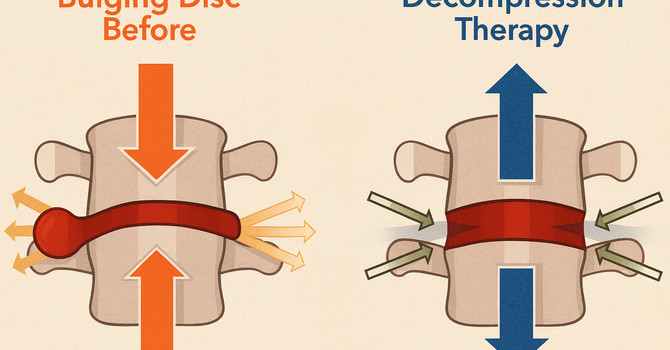
Chiropractic care works by restoring normal motion to irritated joints and reducing pressure on discs, nerves, and soft tissues. At Woodroof Chiropractic, we use a combination of treatments to help cheerleaders heal quickly and safely. Gentle chiropractic adjustments improve alignment and mobility throughout the spine, often reducing inflammation immediately. Spinal decompression therapy relieves pressure on irritated lumbar discs—particularly helpful for hyperextension injuries. Hydromassage therapy helps relax tight muscles, reduce soreness, and speed recovery between practices. Targeted stretching and strengthening exercises, based on our exercise & stretch routine, help stabilize the spine and reduce future flare-ups. Many cheerleaders also benefit from guidance on posture, landing mechanics, and sleep positioning to protect their spine outside of practice.
Our Treatment Approach at Woodroof Chiropractic
Our Olathe chiropractic office offers a comprehensive plan for cheerleaders, including chiropractic adjustments, spinal decompression, hydromassage, targeted strengthening exercises, stretching routines through our exercise & stretch program, soft tissue work, posture coaching, and spine-saving recovery strategies. When appropriate, we review insurance options at our insurance page to help families understand coverage. Most patients begin noticing improvement within the first few visits.
Frequently asked questions include:
• Why does my back hurt more after tumbling? – Hyperextension and compression irritate joints and discs, especially when fatigue sets in.
• Should I see a chiropractor for this? – Yes. Early evaluation helps prevent minor injuries from becoming long-term problems.
• When is it serious? – Pain that shoots down the leg, numbness, weakness, or pain that doesn’t improve needs immediate attention.
• How long until I feel better? – Most athletes notice improvement within 3–6 visits, depending on severity and practice demands.
• Can this prevent future injuries? – Yes. Restoring normal motion and strengthening the spine reduces reinjury risk significantly.
If you’re dealing with cheerleading-related back pain, neck pain, mid-back tightness, or soreness from stunts and tumbling, we can help. Call our Olathe chiropractic office today at 913-735-6351 or click Schedule Your Visit to get started.
Dr. Ike Woodroof
Contact Me